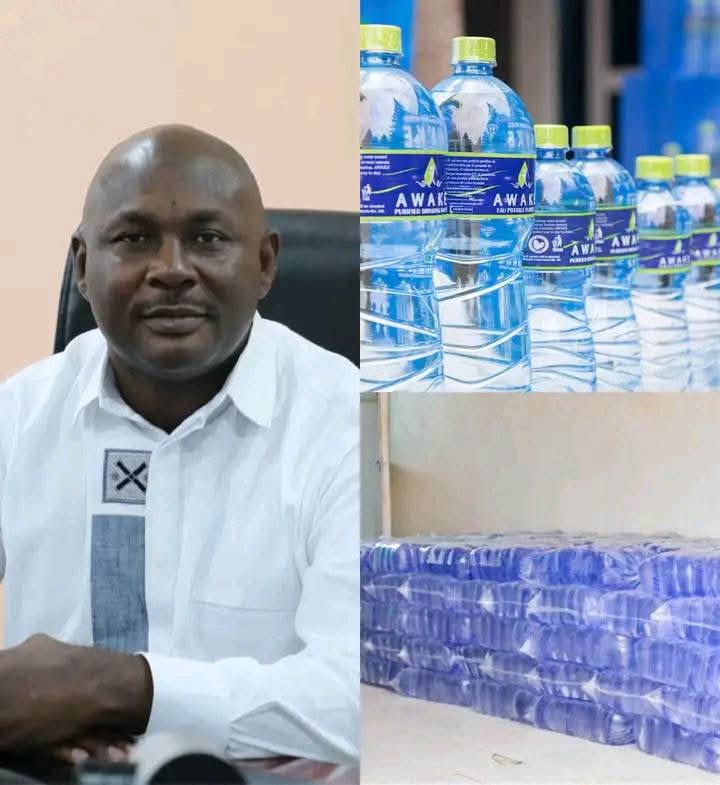
The Food and Drugs Authority (FDA) of Ghana has introduced a new safety requirement compelling all bottled and sachet water producers across the country to test their products for harmful heavy metals such as lead before they are approved for sale to the public.
The move forms part of the Authority’s broader efforts to strengthen food and beverage safety standards and protect consumers from long-term health risks associated with contaminated drinking water. With sachet and bottled water serving as the primary source of drinking water for millions of Ghanaians, the FDA says ensuring their purity has become more critical than ever.
According to the Authority, environmental pollution, illegal mining activities, industrial waste, and deteriorating water sources have increased the risk of heavy metals finding their way into underground and surface water used by producers. These metals, particularly lead, can cause serious health problems including kidney damage, developmental issues in children, nervous system disorders, and long-term organ failure when consumed over time.
Under the new directive, all registered water producers must now submit samples for laboratory analysis to confirm that their water is free from dangerous levels of heavy metals before they are cleared for distribution. Routine monitoring will also be intensified to ensure continuous compliance.
The FDA has made it clear that any company found selling water products without meeting the new testing standards risks having its license suspended or revoked, alongside possible legal action.
Officials of the Authority say the decision is not meant to frustrate producers but rather to safeguard public health and improve confidence in locally produced drinking water. They also encouraged water manufacturers to invest in better purification systems and quality control processes to meet the new requirements.
Consumers have been advised to continue purchasing only water products that display valid FDA registration numbers and to report any suspicious or unregistered brands to the Authority.
Public health experts have welcomed the move, describing it as a timely intervention that could help prevent silent long-term health complications caused by contaminated water.
As Ghana continues to battle environmental degradation and water pollution, the FDA’s heavy-metal testing policy is expected to play a crucial role in ensuring that packaged drinking water remains safe, clean, and fit for human consumption across the country.